
Executive Director Sam Anson offers insights into CHES
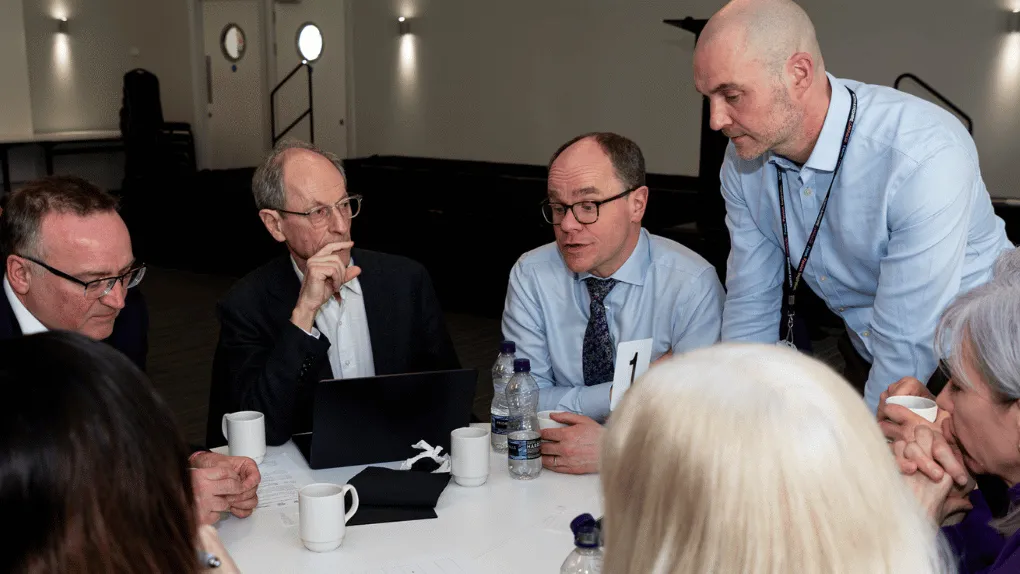
Sam Anson has written a blog showcasing the great work that is being done in North Ayrshire through the Collaboration for Health Equity in Scotland (CHES) programme.
The blog has been published by the Local Government Information Unit (LGIU) – a charity that supports local authorities and council leaders through research, training, advocacy and events.
CHES – led by Public Health Scotland and Professor Sir Michael Marmot’s Institute for Health Equity - was launched in February 2025 to strengthen and accelerate actions that will reduce health inequities for people living in North Ayrshire, Aberdeen City and South Lanarkshire.
Three key workstreams – Good Start, Good Jobs and Good Health, are underway locally in three different areas to make life better for people by focusing on employment, ill-health prevention, early years, education and community-based support.
CHES work locally has been led by North Ayrshire Integration Joint Board, which is the governing body of North Ayrshire Health and Social Care Partnership, and the Community Planning Partnership Board, which brings together public organisations including the Council, Third Sector groups and the NHS.
The projects focus on three key principles:
- Good Start – to give every child the best start in life, concentrating on the Fullarton, Castlepark and Bourtreehill areas of Irvine. This workstream involves families, schools, nurseries and local groups to help deliver more joined-up support that helps children and their families thrive
- Good Jobs – with a focus on fair employment and good work in the Saltcoats Central, Ardrossan Central and Stevenston Hayocks neighbourhoods. This workstream centres on fair work, decent pay and skills development as well as creating new routes into secure jobs and training, and
- Good Health - to strengthen the role of ill health prevention within the Garnock Valley. This workstream is looking at increasing affordable healthy food provision, improving local wellbeing services and designing community-led solutions.
These priorities emerged from a combination of Public Health Scotland data, local evidence and intelligence, and the lived experience of people and communities across North Ayrshire. Across all three areas, we have taken practical steps towards improving outcomes. We know that the drivers of inequality have developed over decades, and no single programme, funding stream or political cycle will reverse them overnight. The report from Professor Sir Michael Marmot’s Institute for Health Equity provides grounds for optimism, but it also serves as a reminder that improving outcomes requires patience, consistency and long-term commitment. The task now is not to start again, but to stay the course. I would like to thank everyone within the Council and in our partner organisations for their collaboration, and for their commitment to the three workstreams locally.
You can read Sam’s full blog here on the LGIU website and to find out more about CHES, visit the Collaboration for Health Equity in Scotland webpage.
Published November 20, 2026
